Beyond Situational Awareness: Turning Humanitarian Data into Operational Intelligence
Knowing what's happening is only the first step.
Knowing what to do next is where missions succeed.
For years, humanitarian organizations have invested heavily in situational awareness tools. Live weather. Disaster monitoring. News feeds. Transportation tracking.
These capabilities help teams understand the environment.
But they don't always help leaders prioritize action.
The missing layer is operational intelligence
Imagine monitoring a hurricane while simultaneously understanding:
- Which evacuation routes remain viable.
- Which bridges are accessible.
- Where shelters have capacity.
- Which families require specialized assistance.
- How transportation options are changing in real time.
None of these data points are valuable on their own.
Together, they create decision advantage.
By combining live operational data with case management analytics, organizations move beyond monitoring events, they begin coordinating missions around real-world conditions.
From records to resource allocation
Traditional case management captures information.
Operational intelligence puts that information to work.
Instead of manually reviewing spreadsheets, leaders can identify:
- Geographic clusters of assistance requests
- Demographic trends
- Vulnerable populations
- Transportation constraints
- Emerging demand over time
The result isn't simply better reporting.
It's faster prioritization, smarter resource allocation, and improved coordination across responding organizations.
The future of humanitarian response
The organizations leading tomorrow's humanitarian missions won't rely on isolated dashboards.
They'll operate from unified mission environments that combine:
- Live open-source intelligence
- Infrastructure awareness
- Route analysis
- Transportation monitoring
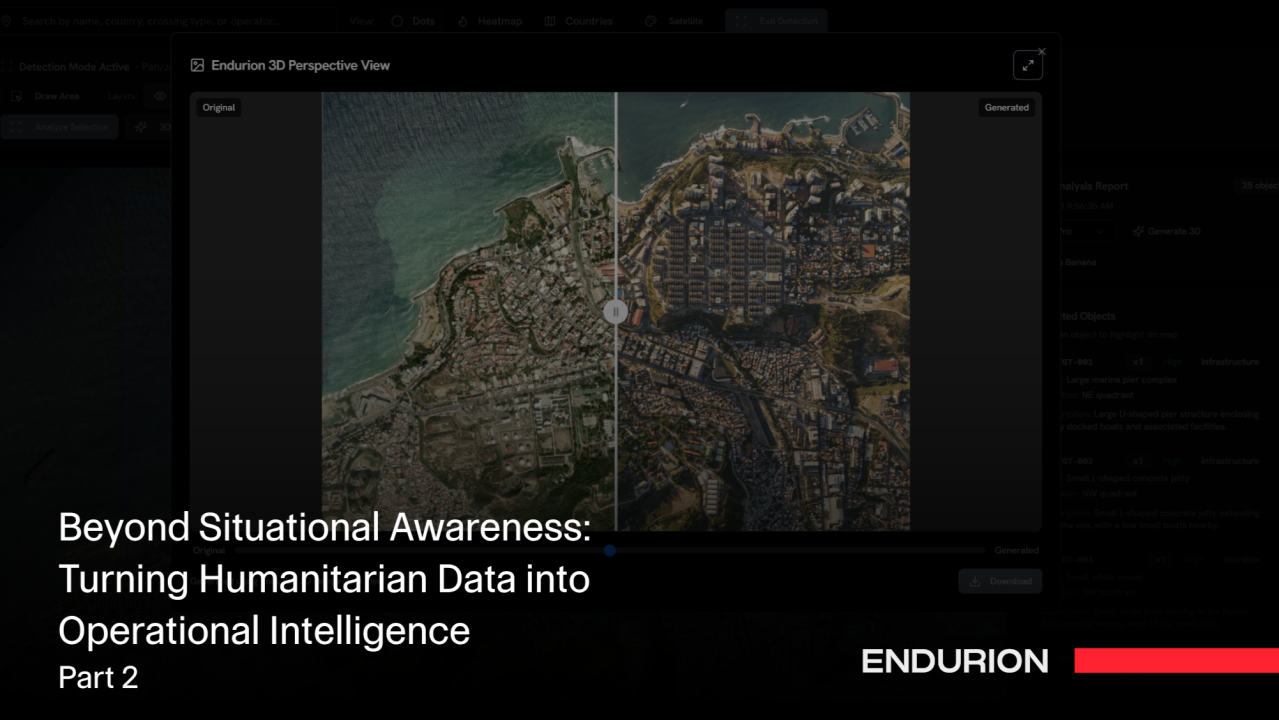
- Computer vision for mobility assessment
- Case management analytics
Together, these capabilities transform fragmented information into mission-ready intelligence that supports planning, coordination, evacuation, and population assistance.
Technology alone doesn't save lives.
Better decisions do.
The future of Humanitarian Aid and Disaster Relief belongs to organizations that can make those decisions faster, with greater confidence, and from a single operational picture.